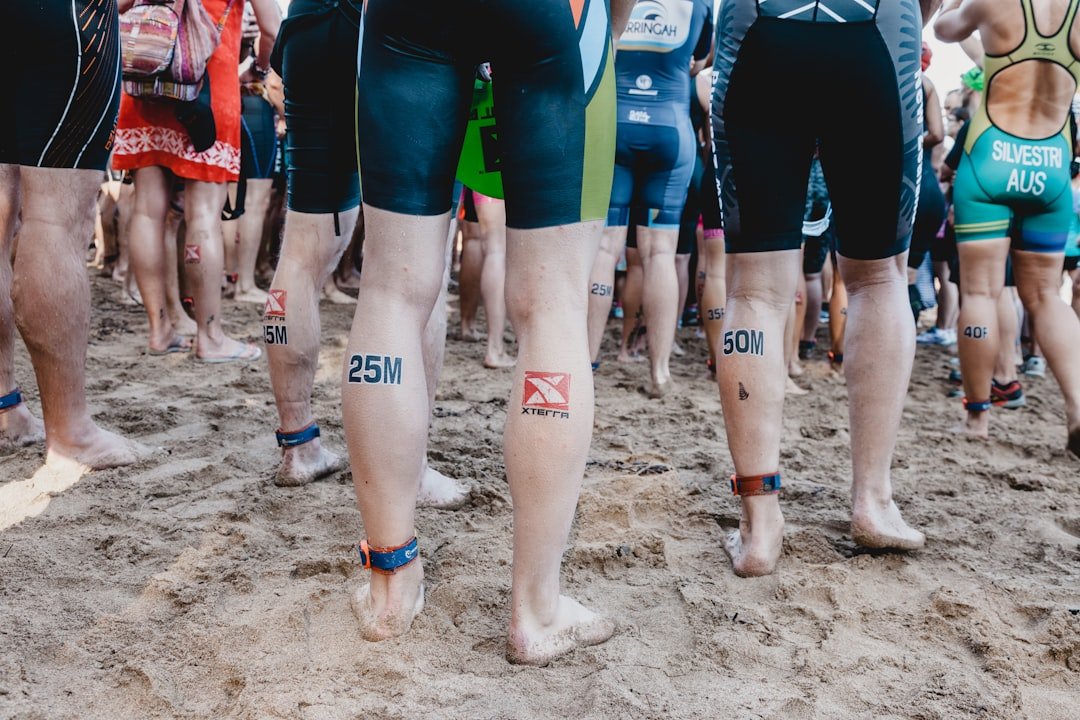
A full-distance IRONMAN combines a 3.8 km swim, a 180 km bike ride and a 42.2 km run. A 24–28 week build can be appropriate if you already train consistently. Your starting fitness, available hours, recovery and injury history should determine the actual workload. If you are starting from scratch, allow more time and consider individual coaching.
The aim is to reach race day with sustainable endurance, practiced nutrition and a pacing plan you have tested. More hours are not automatically better. Use the phases below as a framework, then adjust them to the demands of your event and the way your body responds.
What you need to prepare for
| Segment | Distance | Main challenge |
|---|---|---|
| Swim | 3.8 km | Open-water confidence, navigation and efficient technique |
| Bike | 180 km | Sustainable effort, fueling and comfort in position |
| Run | 42.2 km | Starting the marathon without having spent too much energy on the bike |
| Transitions | — | Equipment, routes and calm execution |
Course profile, weather and race rules affect the demands of each segment. Check the athlete guide for your specific event. If the swim is your weakest discipline, see our open-water swimming guide; its English version will be linked as this section is translated.
The four phases of a 24–28 week build
| Phase | Approximate duration | Priority |
|---|---|---|
| Base | 8–10 weeks | Gradually build aerobic volume, swim technique and time on the bike |
| Development | 8–10 weeks | Introduce controlled intensity and race-specific bike-to-run sessions |
| Specific preparation | 4–6 weeks | Practice long sessions, race fueling and pacing |
| Taper | About 2 weeks | Reduce volume while maintaining some intensity and arriving rested |
These ranges are a guide, not a fixed formula. Distribute the phases to fit your starting point and allow lighter weeks when fatigue accumulates. Do not try to make up every missed session. Consistent training that you can absorb is more useful than a perfect calendar followed at any cost.
Three sessions that deserve particular attention
- Bike-to-run bricks: Practice the change in movement and pacing. A brick need not be long every week. One accessible starting point is 15–30 minutes of easy running after a ride, increased only when you recover well. See our brick training guide.
- Endurance running: Build comfortable running volume gradually. Some easy runs off the bike can be useful, but avoid making every run a hard session under accumulated fatigue.
- Race-effort cycling: Rehearse sustained, controlled efforts that still leave you able to run. Threshold intervals have a place in training, but your threshold power is not your target for 180 km. Read our guide to FTP and bike pacing if you use a power meter.
Nutrition is part of the training
Use long workouts to test what and how much you can eat and drink. On the bike, roughly 60–90 g of carbohydrate per hour is a possible range for athletes who have trained their gut, but tolerance varies with intensity, conditions and the individual. Test drinks, gels and solid food if suitable, and calculate what the race aid stations actually provide. Your ability to take in fuel may change on the run: rehearse that part of the plan in relevant sessions too. Persistent gastrointestinal problems or medical needs warrant advice from a qualified sports dietitian.
Common mistakes that make the final marathon harder
- Riding too hard early: An effort that feels easy at the start can have a large cost later in the marathon.
- Leaving nutrition to chance: Race day is the wrong time to discover that a particular gel does not agree with you.
- Skipping the taper: Reducing training volume before the event helps you arrive fresh; avoid adding hard sessions to compensate for anxiety.
- Neglecting swim technique: An inefficient swim can cost energy you need for the bike and run.
How to tell whether your preparation is working
Weekly hours alone do not tell the whole story. Compare similar sessions over several weeks using pace or power, heart rate, perceived effort and recovery. A lower heart rate at the same pace may be encouraging, but heat, terrain and fatigue also influence it. Avoid making a training decision from one isolated number. IronBuddy can help organize your Strava activities and spot trends; it does not replace medical assessment or an individual coach.
Example development-phase week
A possible week includes two or three swims, three rides including a longer one, three runs including a longer run and an easy bike-to-run session, plus at least one rest or recovery day. This is an example for an athlete with an established base, not a minimum requirement. Arrange harder sessions so they are not all on consecutive days, and adjust the volume to your life and recovery.
Before you reach the start line
- Check your event’s athlete guide for wetsuit rules, cutoffs, course details and aid stations.
- Test equipment, open-water swimming, transitions and your nutrition plan in training.
- Set a conservative bike pacing plan and a flexible run strategy for the conditions.
- Reduce training load progressively before racing and avoid new products in the final week.
Keep preparing for your IRONMAN
- Triathlon and IRONMAN hub for races and training guides.
- IRONMAN Barcelona for an event guide (in Spanish).
- Training zones calculator for intensity references.
- Plans and pricing to compare the free analysis with PRO.