Running by Heart Rate vs. Power: Differences and When to Use Each
For decades, heart rate was the only objective metric available to runners. Then came pace (min/km). And in recent years, running power meters have added a third variable: power in watts.
Which is better? Should you train by heart rate, pace, or power? The honest answer is that it depends on what you want to measure, the training conditions, and what you already have available.
In this article I'll explain how each method works, their real advantages and limitations, and when it makes sense to use one or the other.
Training by Heart Rate: What You Measure and What You Don't
Heart rate measures your body's internal response to effort: how many times your heart beats per minute. It's a measure of physiological stress, not mechanical effort.
Advantages of training by HR:
- Directly reflects cardiovascular and metabolic stress.
- Automatically detects variations in body state: heat, fatigue, illness, altitude.
- Accessible with any basic sports watch with optical wrist HR.
- Well supported by decades of research and practice.
Limitations of training by HR:
- Cardiac lag: the heart takes 30–60 seconds to respond to intensity changes. In short intervals or pace shifts, heart rate always lags behind the actual effort.
- Cardiac drift: as a long session progresses, HR rises even if pace stays constant, due to dehydration, temperature, or fatigue. This makes intensity control difficult in long sessions in the heat.
- Individual variability: the same heart rate can mean very different intensities depending on the day, heat, caffeine, or stress.
- Doesn't measure mechanical work: it doesn't tell you how much physical effort you're producing, only how your heart is responding.
Training by Running Power: What It Measures and How It Works
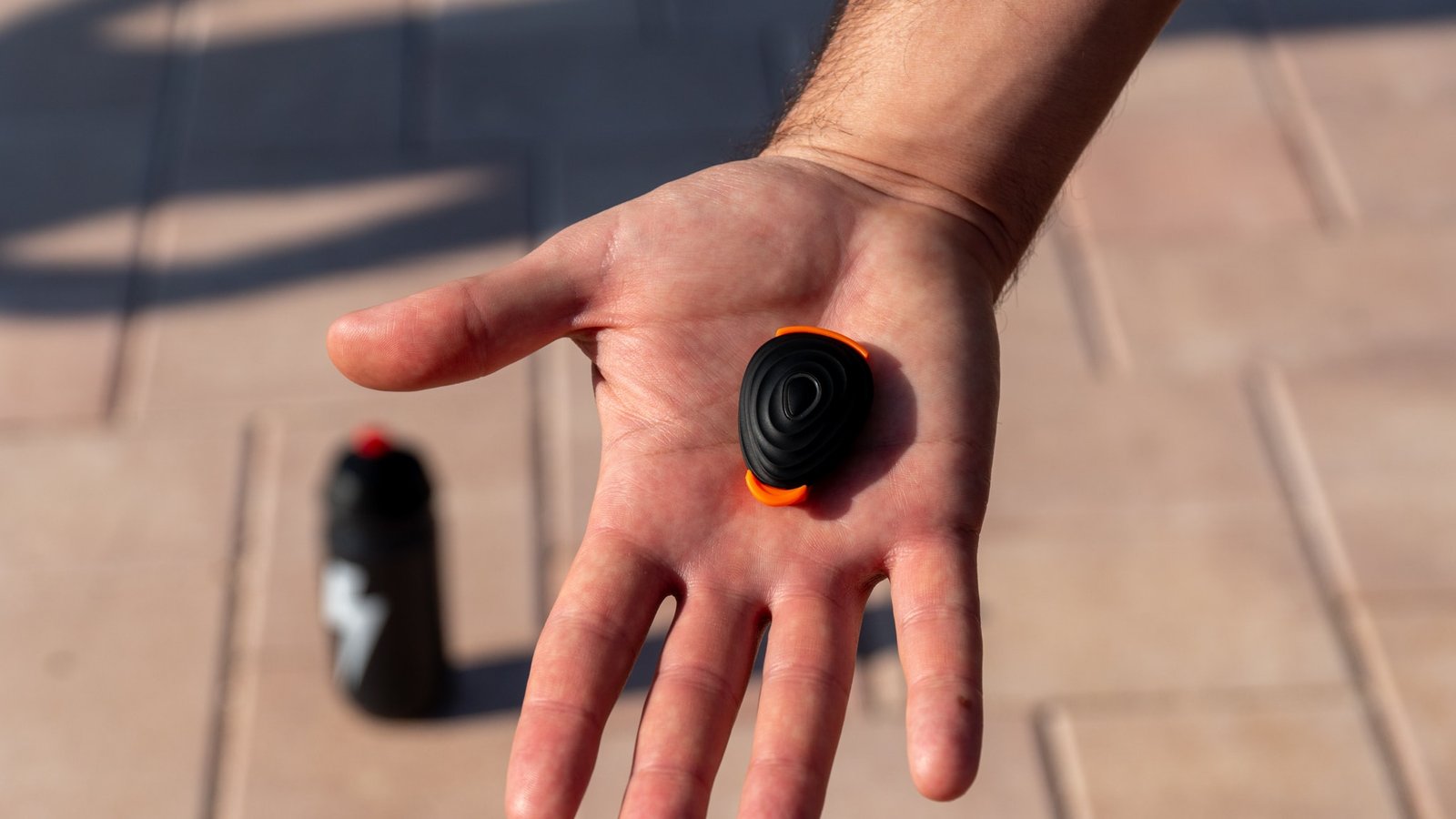
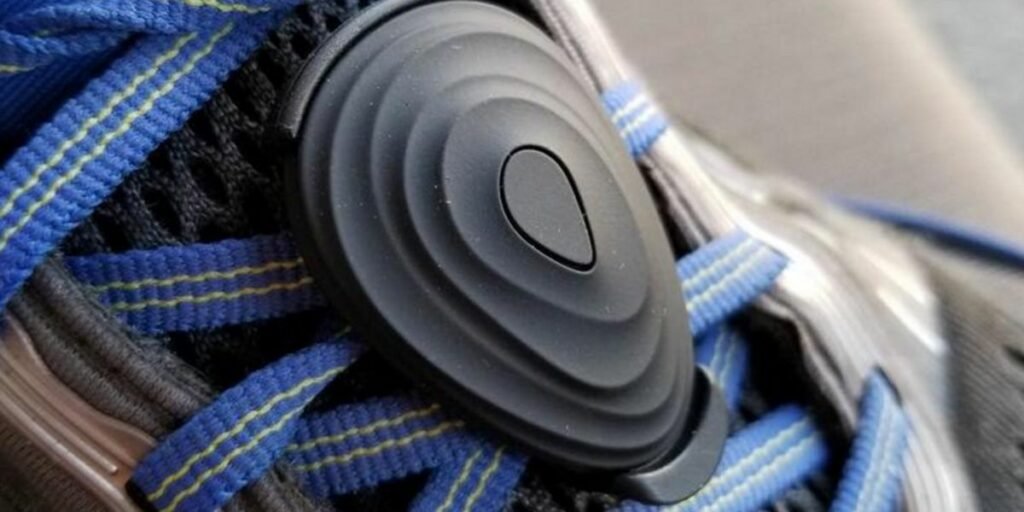
Running power measures the mechanical work your body produces while running, expressed in watts. Running power meters (Stryd, Garmin Running Dynamics Pod) calculate power using accelerometers that capture movement mechanics: stride length, cadence, vertical oscillation, braking force.
Advantages of training by running power:
- Instant response: unlike HR, power changes in real time with effort. In short intervals, it's the most precise metric.
- Not affected by heat, hydration, or acute fatigue. 300W is 300W regardless of conditions.
- Allows precise session comparison: the same workout in different conditions (cold, heat, wind, altitude) will produce different HR but the same power if the mechanical effort is equal.
- Especially useful on variable terrain (trail, hills): pace varies enormously but power can remain constant.
Limitations of training by running power:
- Requires an additional device (Stryd or similar): investment of €250–350.
- Initial calibration and establishing Critical Power (the equivalent of FTP) takes time.
- Doesn't directly reflect physiological stress: you could be running at 280W with extreme muscular fatigue and your body is at its limit, even though the power is "only moderate."
- Less historical research backing compared to HR (though this is growing rapidly).
Comparison: When to Use Each Method
| Situation | Best metric | Why |
|---|---|---|
| Long base run (zone 2) | HR | Reflects real physiological stress over time |
| Short intervals (200–400m) | Power or pace | Cardiac lag makes HR unreliable for short efforts |
| Running in extreme heat | HR or power | HR detects thermal stress; power ignores heat |
| Trail running with elevation | Power | Pace varies greatly on hills; power gives continuity |
| Progression or threshold run | Both | Power controls effort; HR confirms the response |
| Pre-race tapering | HR | Elevated resting HR or high HR on easy runs signals accumulated fatigue |
Do You Need a Running Power Meter?
It depends on your level and goals. For most amateur runners training between 40 and 70 km per week, well-applied HR training is more than enough to improve systematically.
A running power meter starts to offer clear advantages when:
- You train on trails or terrain with significant elevation.
- You do frequent short intervals where cardiac lag limits you.
- You train in extreme heat where HR isn't reliable.
- You want more precise load control to avoid overtraining.
Strava, HR, and Power: How to Combine Them
Strava shows HR zones and, if you have a power meter, power zones. Combining both in a single session gives you the most complete picture: you can see whether you're being efficient (high power with moderate HR) or accumulating fatigue (progressively high HR for constant power).
Iron Buddy analyzes your Strava HR data (and power data if configured) to evaluate the quality of your sessions, detect fatigue patterns, and recommend the most appropriate type of training for your next week based on what your data shows.
Connect your Strava to Iron Buddy and get an analysis of the quality of your running sessions.
Related articles
¿Quieres aplicar todo esto a tu entrenamiento? Conecta tu Strava con Iron Buddy y empieza gratis.